
In a world where the ephemeral sets the trend, the fine jewelry It stands as a timeless art. But what truly distinguishes a high-end jewel from a conventional piece of jewelry?
In this article, we invite you to discover the true meaning of fine jewelry, its history, its values, and what makes it a legacy beyond beauty.
1. Definition of High Jewelry
The fine jewelry (known internationally as haute joaillerie) is the most exquisite manifestation of jewelry art.
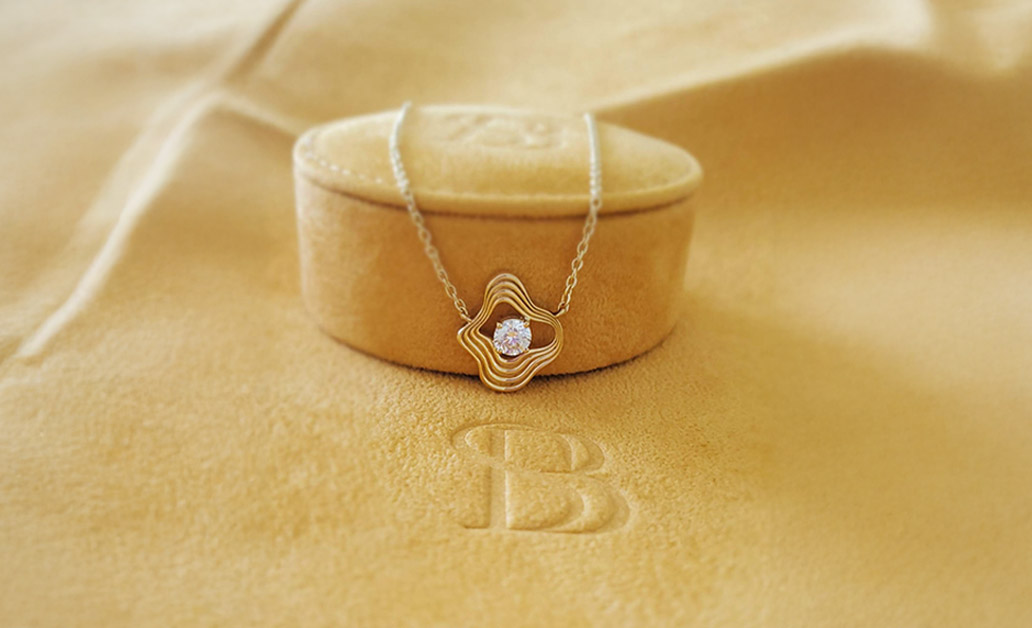
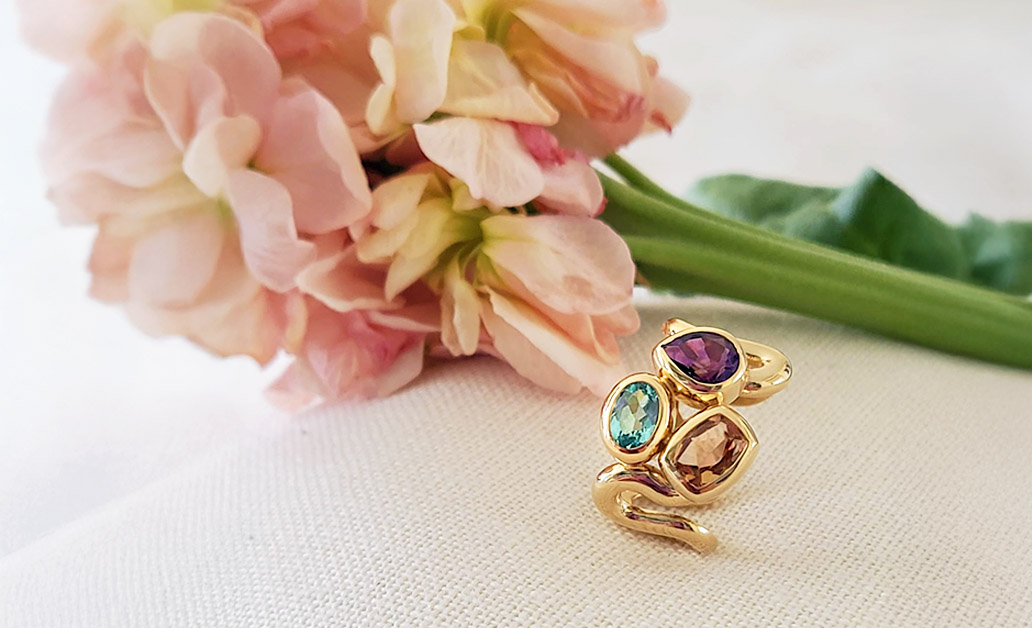
It encompasses unique pieces, handcrafted by master goldsmiths using precious materials such as gold, diamonds, and gemstones of extraordinary quality. Each creation is not mass-produced, but rather reflects a philosophy centered on detail, excellence, and the very soul of the piece.
It's not just about decorations; we are dealing with works that encapsulate emotions, personal narratives, and a mastery that only time and experience allow one to cultivate.
2. History and Tradition
The origins of fine jewelry can be traced back to European courts, where monarchs and aristocrats commissioned bespoke pieces as symbols of power and distinction. Over the centuries, this tradition has evolved into a symbol of identity, heritage, and artistic expression. Historic jewelry houses, many of them family-owned, have perpetuated this legacy from generation to generation.
Today, independent firms like our atelier work to revitalize that heritage, merging traditional techniques with a contemporary and deeply personalized approach.
3. What differentiates High Jewelry
Fine jewelry is not defined solely by price or materials. It is a combination of exclusivity, artisanal excellence, unique design, and rigorous gemstone selection. To identify it, we observe the following aspects:
Unique and personalized design: A high-end jewel is not part of a mass-produced collection. It can be a unique piece or a very limited series, usually personalized. The design tells a story, reflecting a meticulous and individual creative process. Each piece is born from an idea, a story, or an emotional connection. In the case of Sara Benavente, we are talking about autobiographical and highly personalized jewelry, created in collaboration with the client from the initial consultation to the final delivery.
Exceptional materials: Fine jewelry uses only 18k gold (18kt or higher), platinum, and natural precious stones (diamonds, rubies, sapphires, emeralds, etc.) selected individually by expert gemologists and accompanied by GIA or equivalent certificates guaranteeing their origin, cut, and quality. If a piece does not include any type of certificate of authenticity, it most likely does not belong to this category.
Handcraft technique: The difference lies in the details: the setting, the finishes, the polishing, the symmetry… In fine jewelry, every process is carried out by hand by expert goldsmiths and gemologists. There are no pre-made components or standardized mechanized processes. Fine jewelry allows no shortcuts. Each ring, earring, or necklace is sculpted, set, and polished by hand, with millimeter precision.
Certification and exclusivity: The pieces are backed by official certificates.
Preparation time: A high-end piece of jewelry can take weeks or even months to complete. From selecting stones to creating a 3D rendering or verifying proportions, time is part of its value. If a piece is ready to wear without any prior work, it's probably not fine jewelry.
History, signature or lineage: Many fine jewelry pieces are endorsed by a renowned brand or a prestigious independent designer. They may also be part of a designer collection linked to a personal or family history. In our atelier, we don't just create high-end jewelry; we create pieces with a narrative: pieces with soul, with history, with identity.
Cultural or artistic value: Fine jewelry, beyond its beauty, represents an artistic expression. It is often associated with exhibitions, collectors, design awards, and even museums. It is not merely a decorative object, but a testament to craftsmanship, emotion, and culture.
4. High Jewelry in the 21st Century
In an era dominated by immediacy, high jewelry represents the opposite: time, dedication and memory. Acquiring a piece of fine jewelry is not just an aesthetic choice, but an emotional and financial investment. It is also a way to support craftsmanship, fair trade in precious stones, and purposeful design.
Our vision of High Jewelry and luxury today is based on the authentic luxury, not as a marketing construct, but in its purest essence: authentic luxury implies scarcity, history, prestige, and excellence.
As lovers of fine jewelry, it is part of our craft to value the nobility of the materials as well as to select the most exquisite gems, those that have been forged in the heart of the earth for millions of years, with their cultural symbolism, their story and prestige.
“Luxury ceases to be luxury in the
the moment when it ceases to be scarce.”
Fine jewelry represents eternity. Respect for the finest craftsmanship. Reverence for lost trades. These are pieces that embody culture, emotion, and intellect. Works born from the soul of the masters who create them.
Sara Benavente: High Jewelry in Madrid
The fine jewelry It's much more than luxury. It's culture, emotion, and art in its purest form. Sara Benavente High Jewelry, Each creation is a story crafted into jewelry. If you wish to discover how you can acquire a unique piece of High Jewelry, we invite you to explore our universe and be guided by an expert team that will transform your story into an eternal legacy.
Our High Jewelry services: Appraisals, Personalized and autobiographical jewelry y Engagement Rings.