

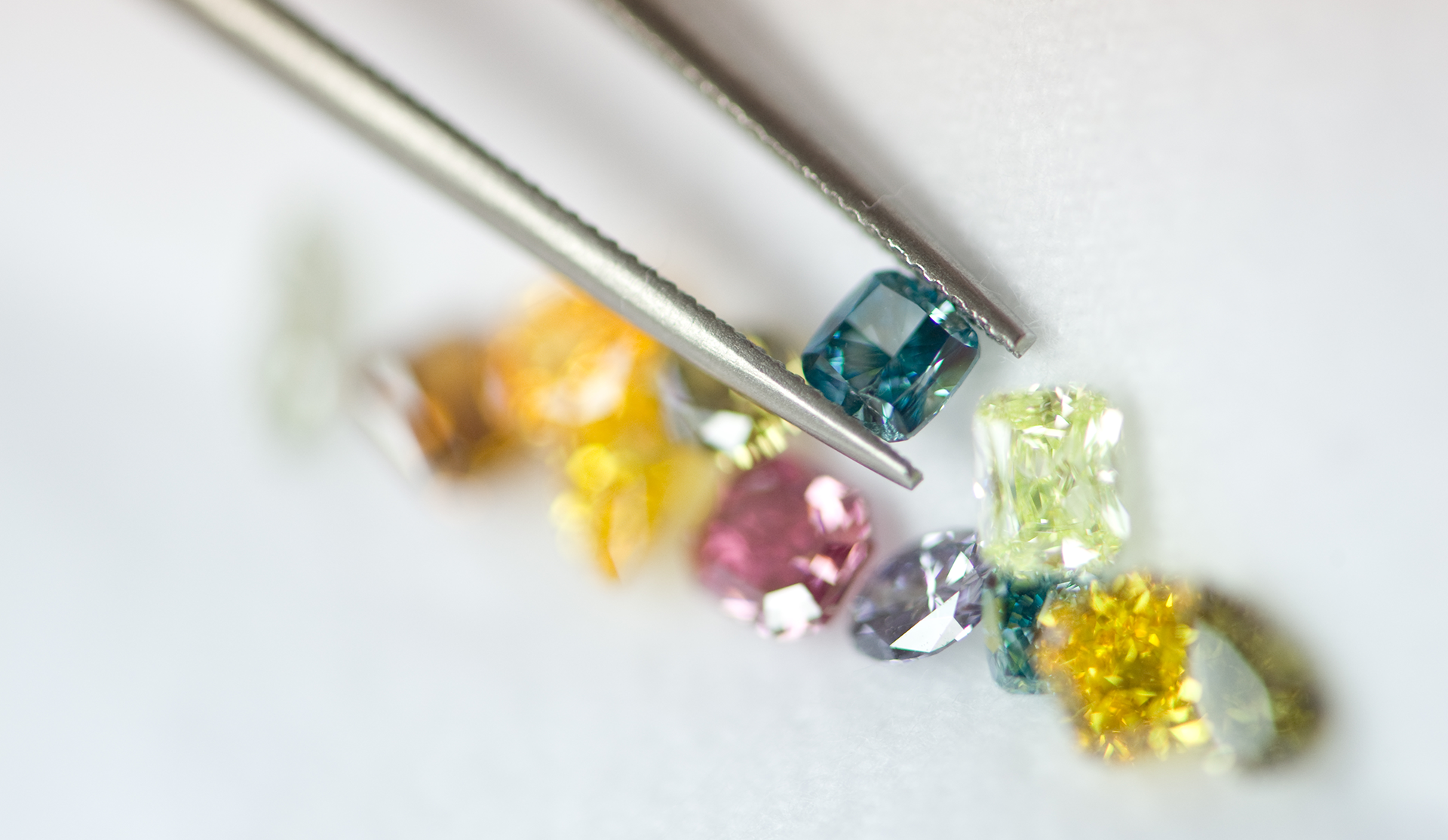
Diamonds, prized for their beauty and durability, come in a variety of forms and categories. Understanding the different diamond classes It is essential to choose the right jewelry that suits your preferences and needs.
For an initial classification of diamond types, we could present them in three main categories: their origin, color, and shape:
According to his origin, We find natural diamonds, formed geologically on Earth, and synthetic diamonds, created in laboratories that replicate natural conditions.
Regarding the color, Colorless diamonds are classified from the letter D (colorless scale) to Z (light yellow) and fancy colored diamonds, which have shades such as yellow, pink, blue and green.
Regarding the form or size, The most common ones include brilliant, princess, emerald, oval, marquise, pear, heart, asscher, cushion, and radiant.
The Origin of Diamonds
The diamonds They can be classified into two main categories according to their origin:
Natural Diamonds
Formed over billions of years under extreme pressure and temperature conditions in the Earth's mantle, natural diamonds are mined from geological deposits. Their rarity and formation process make them highly valued in the jewelry market. This scarcity and quality are why they are considered an investment asset or safe haven, unlike synthetic diamonds.
The vast majority of its extraction, up to 991,000 tons, takes place in nine countries, the five being the world's leading mining nations: Russia, Botswana, the Democratic Republic of Congo, Australia, and Canada. These countries contribute over 601,000 tons of global diamond production.
Synthetic Diamonds
Also known as lab-grown diamonds, these are created using technological processes that replicate the natural conditions of diamond formation. Although they possess the same physical and optical properties as natural diamonds, their large-scale production allows for more affordable options for consumers, which is why they lack investment value, with millennials being the primary target market for this type of jewelry.
Synthetic diamonds are touted as the green and ecological option, but the truth is that their energy consumption in laboratories is very high, and today the use of renewable sources is not enough to meet the needs of this industry.
Asia-Pacific dominates the global synthetic diamond market, due to the rapid growth of electronics manufacturing in countries such as China, India, and Japan.
The Color of Diamonds
The color of a diamond is one of its most distinctive characteristics and is classified into two main categories:
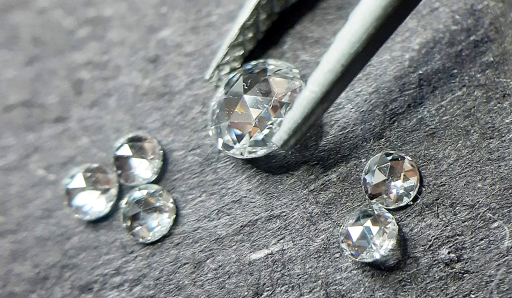
Colorless diamonds
These diamonds are graded according to the Gemological Institute of America (GIA) color scale, the industry standard for classifying white diamonds. The scale ranges from D (completely colorless) to Z (yellow, light brown, or gray). Diamonds graded between D and F are extremely rare and therefore more valuable.
Color Diamonds or Fancy Diamonds
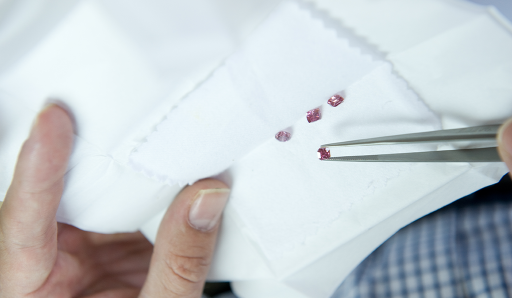
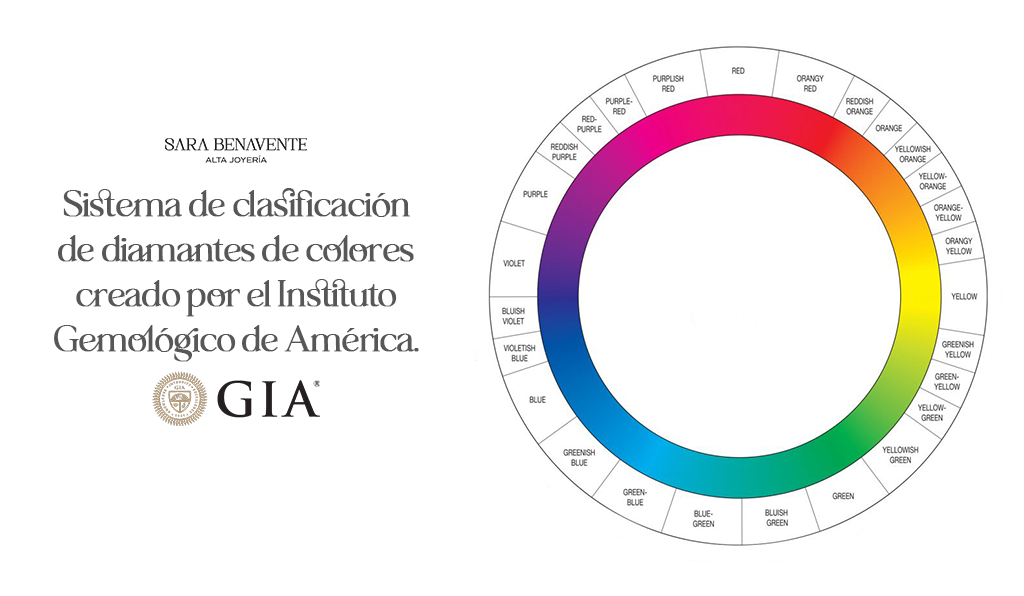
Known for their intense and varied hues, fancy colored diamonds include colors such as yellow, pink, blue, green, and more. Their rarity and visual appeal make them especially desirable in fine jewelry.
Colored diamonds are gems that exhibit noticeable hues, distinguishing them from colorless diamonds. These colors range from subtle shades to intense tones of unparalleled beauty.
The Cut of Diamonds
The term "cut" encompasses two aspects: the shape of the diamond, and the quality of its proportions and finish. We can therefore speak of the type and quality of the cut. The former refers to the shape or design in which the stone has been faceted, which influences its refraction, reflection, and overall appearance. Some of the most popular cuts include:
Brilliant Cut
It is the most common and highly valued for its ability to reflect light optimally, providing exceptional refraction. Designed by Marcel Tolkowsky in 1919.
Princess Size
Square in shape, this modern size is known for its contemporary style and is highly valued as it optimizes the 80% of the gross.
Emerald Cut
Characterized by its rectangular facets and cut corners, it offers an elegant and sophisticated appearance.
Oval Carving
Similar to the round one but with an elongated shape, this size can create the illusion of larger size and visually lengthen the fingers.
Pear-shaped
Also called a teardrop shape. With a shape that combines round and marquise shapes, it features a point at one end, offering a distinctive design whose optical effect, in the correct position, can lengthen the finger.
Cushion Size
It's a variation of the princess or rectangular cut with rounded edges. It offers a modern design with smooth lines and large facets that allow light to pass through.
Marquise size
Created at the behest of Louis XV in memory of the Marquise de Pompadour. Recreating the silhouette of her lips.
Diamonds are a fascinating universe, full of nuances and details that make them unique. From their origin and classification to their most exclusive characteristics, each stone tells a story that deserves to be told. In future articles, we will continue exploring the captivating world of diamonds, delving into their value, their selection process, and the secrets that make them the most coveted gems.
If you would like to learn more about diamonds, you can read our post on «What you should know before buying a diamond» or our «The ultimate guide to choosing the perfect engagement ring«.
At Sara Benavente Fine Jewelry, we specialize in offering a wide range of high-quality diamonds, guiding you every step of the way to find the perfect piece. We invite you to schedule an appointment and ask us any questions you may have. here.